
















Okt 2026
ERMA Human Rights Award for Prof. Dr. Zilka Spahić Šiljak
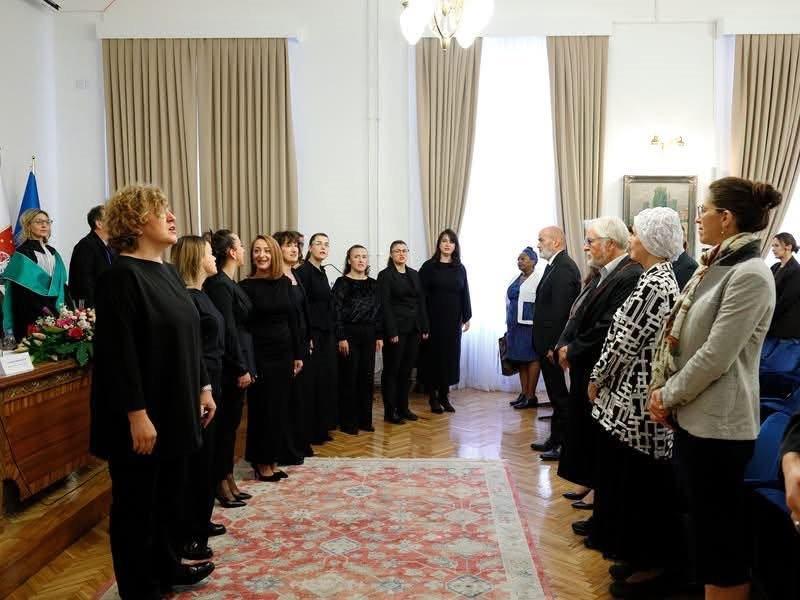 “Knowledge matters when we translate it into practice,” said Prof. Dr. Zilka Spahić Šiljak, Director of the TPO Foundation, on October 3, 2026, at the presentation of the ERMA Award for contribution to human rights, democracy, and peacebuilding. The recognition holds special significance for her, as she herself graduated from the ERMA programme in 2001, has been teaching in the programme for several years, and today addressed a new generation of students as an award laureate.
Sep 2026
Equality Is Not Won Once and for All
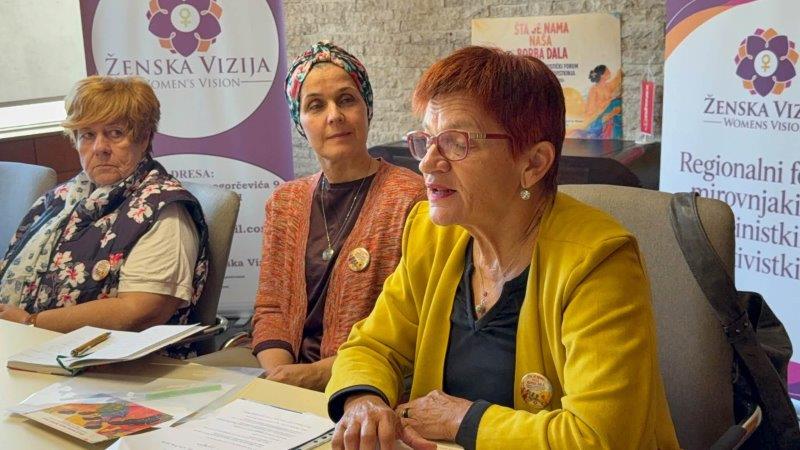 “It is not enough to see injustice – we must decide what we will do when we see it,” said Prof. Dr. Zilka Spahić Šiljak at the Regional Feminist Forum, held on October 2, 2026, in Tuzla and organized by the Women’s Vision Association.
Speaking about her own activist journey, Spahić Šiljak recalled that her struggle did not begin in theory, but through direct encounters with women whose lives had been devastated by war, violence, and injustice. Those experiences taught her that knowledge cannot be separated from responsibility toward the society in which we live.
“It is not enough to see injustice – we must decide what we will do when we see it,” said Prof. Dr. Zilka Spahić Šiljak at the Regional Feminist Forum, held on October 2, 2026, in Tuzla and organized by the Women’s Vision Association.
Speaking about her own activist journey, Spahić Šiljak recalled that her struggle did not begin in theory, but through direct encounters with women whose lives had been devastated by war, violence, and injustice. Those experiences taught her that knowledge cannot be separated from responsibility toward the society in which we live.
Sep 2026
When Human Words Are Presented as God’s Will: How to Recognize Spiritual Abuse?
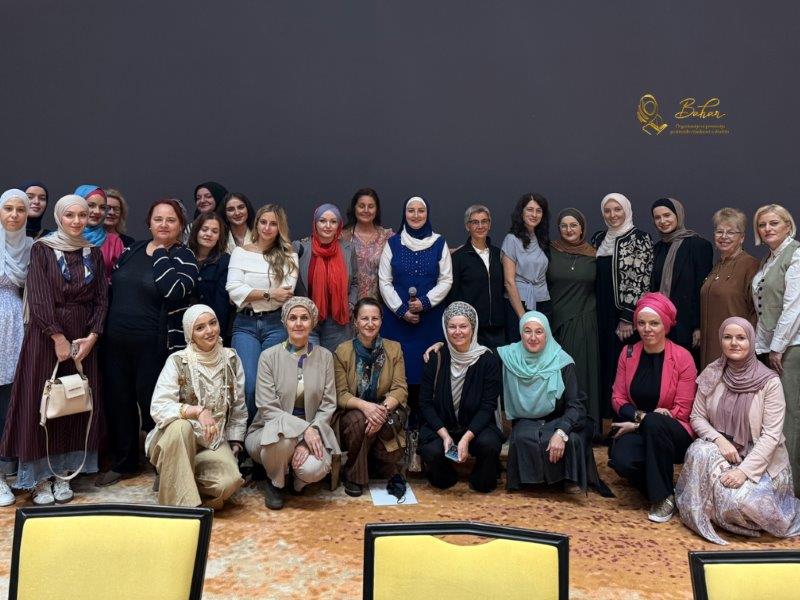 What happens when someone no longer presents a demand as their own opinion, but as God’s command? And where does legitimate religious authority end and its abuse begin? These questions were at the heart of Prof. Dr. Zilka Spahić Šiljak’s lecture on spiritual abuse, held as part of a seminar organized by Bahar.
>> WATCH VIDEO
Sep 2026
A Paradigm Shift in Politics: From Representation to Women’s Real Political Power
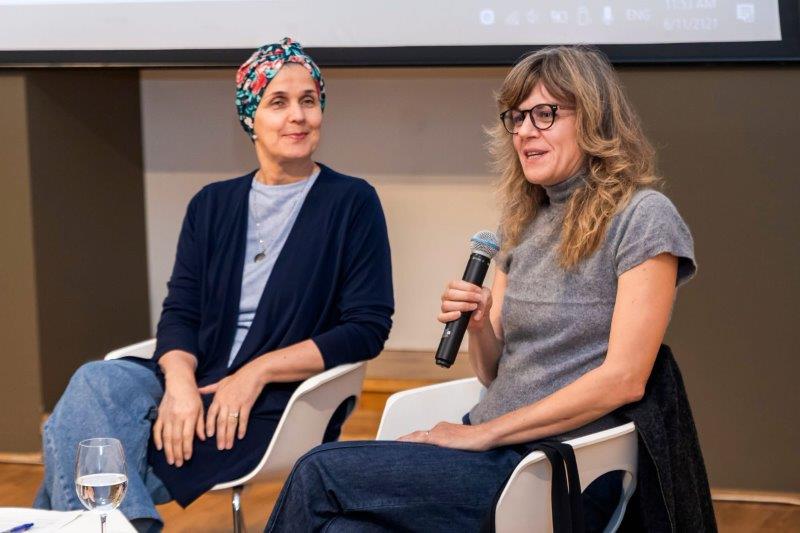 Formal representation of women does not necessarily mean that women have real political power. This was one of the key messages of the regional panel “Women’s Vision of the Future,” organized by the Helsinki Citizens’ Assembly Banja Luka on September 25, 2026, at the Museum of Contemporary Art of Republika Srpska in Banja Luka. The panel brought together Adriana Zaharijević from Serbia, Arijana Lekić-Fridrih from Croatia, Paula Petričević from Montenegro, and Zilka Spahić Šiljak from Bosnia and Herzegovina.
Sep 2026
Gender and Peace in the Balkans: There Is No Sustainable Peace Without Gender Justice
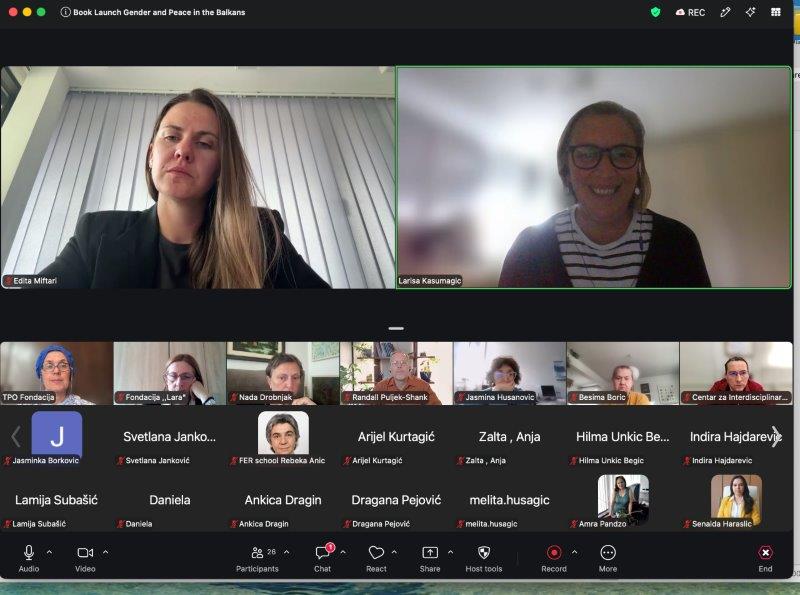 Peace is not something we achieve once and then simply possess. It is built every day through the way we speak, listen, remember, challenge injustice, and create space for others. This message marked the online promotion of the edited volume Gender and Peace in the Balkans: Sites of Challenges and Hopes, held on 23 September 2026, during the week commemorating the International Day of Peace. The event brought together Prof. Dr. Biljana Kašić, Prof. Dr. Larisa Kasumagić-Kafedžić, Prof. Dr. Zilka Spahić Šiljak, Dr. Randall Shank-Puljek, and Edita Miftari.
>> WATCH VIDEO
Sep 2026
Roundtable: Ecofeminism as Resistance
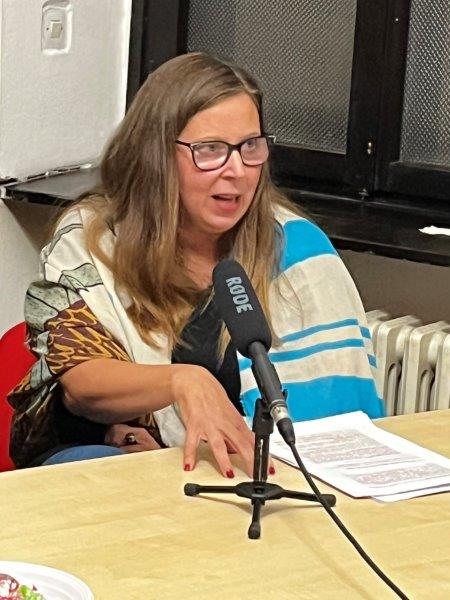 “If we accept that we are interdependent, then care is no longer merely a private or individual virtue,” said Prof. Dr. Anja Zalta, who was the guest speaker at the third roundtable held at the IMIC Zajedno Centre in Sarajevo on September 22, 2026. Moderated by Nikola Vučić, Prof. Zalta spoke about ecofeminism, different forms of resistance, and the need to rethink the relationship between humans, nature, and society.
>> WATCH VIDEO
Sep 2026
University of Sarajevo Presents TPO Foundation with a Certificate of Appreciation for Its Contribution to Gender Equality
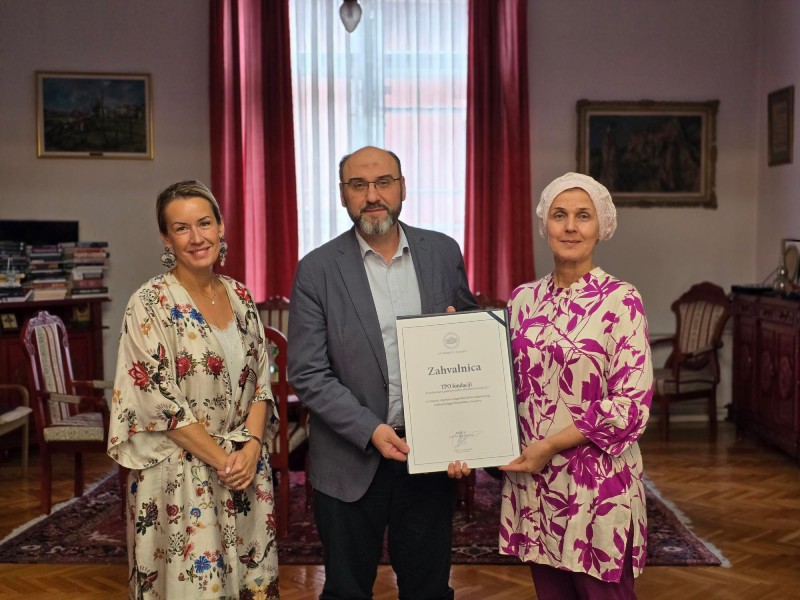 On 14 September 2026, the University of Sarajevo presented TPO Foundation with a Certificate of Appreciation for its contribution to the promotion of gender equality in higher education. The certificate was received on behalf of TPO Foundation by its Director, Prof. Dr. Zilka Spahić Šiljak, and presented by the Rector of the University of Sarajevo, Prof. Dr. Tarik Zaimović, and Vice-Rector Prof. Dr. Arma Tanović-Branković.
Aug 2026
Li Woman Conference: Three Decades of Empowering Women and the Community
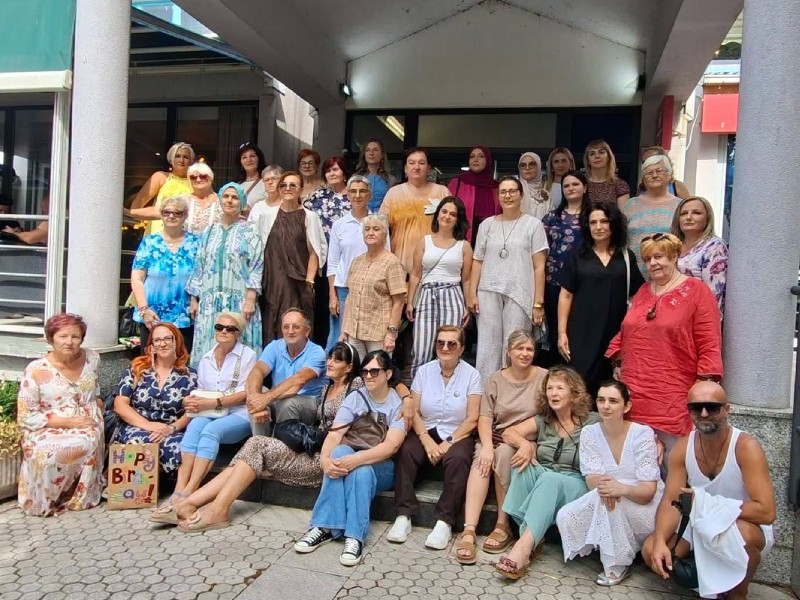 Li-Woman Women’s Association from Livno marked 30 years of existence and active engagement. To celebrate this important anniversary, a commemorative conference was held in Livno on 29 August 2026, bringing together members, associates, friends, and partners of the Association. Prof. Dr. Zilka Spahić Šiljak attended the event on behalf of the T
Jul 2026
Gender, Religion and Politics – Summer School Leibnitz
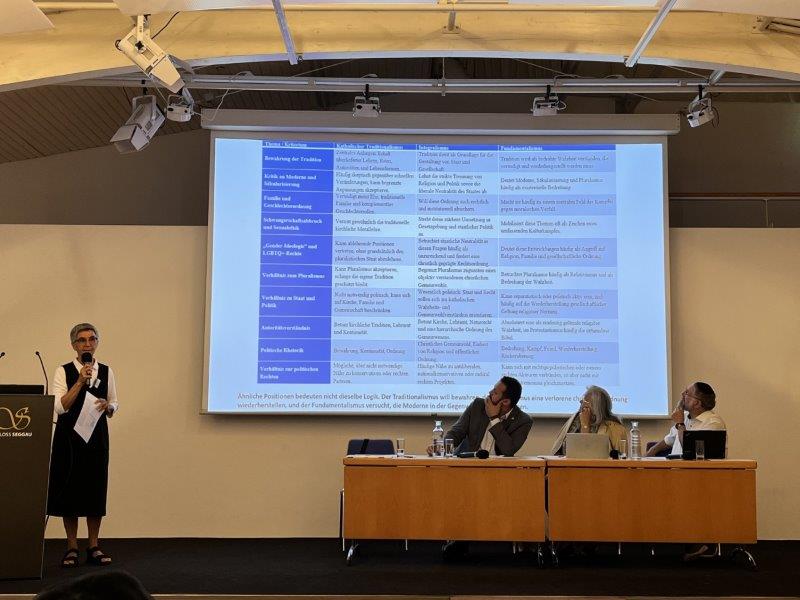 Gender is one of the principal terrains upon which religious authority, ethnonational belonging and political power are negotiated, but gender controversies are rarely only about gender. Prof. Dr. Zilka Spahić Šiljak and Dr. Jadranka Rebeka Anić participated in the Summer School “Religion and Politics,” held in Leibnitz, Austria, from July 20 to 23, 2026. The program brought together scholars, researchers and participants interested in the complex intersections of religion, politics, identity and social change in contemporary European societies.
Jul 2026
Book launch held for Bridges of Hope – Memories and Narratives of Marko Oršolić
 “Hope is not naïveté, but a moral decision and a social practice” was a principle Marko Oršolić advocated throughout his work. His life and legacy are the focus of the book Bridges of Hope, authored by Nikola Vučić. On 6 July 2026, the book launch was held in Sarajevo, organized by the Bosnian Cultural Centre of Sarajevo Canton, Synopsys, IMIC – Interreligious Multicultural Centre “Together”, and the TPO Foundation, in the presence of numerous friends, associates, and admirers of the life and work of Fra Marko Oršolić.
Jun 2026
Roundtable: Politics of Fear and Contemporary Crises of Democracy
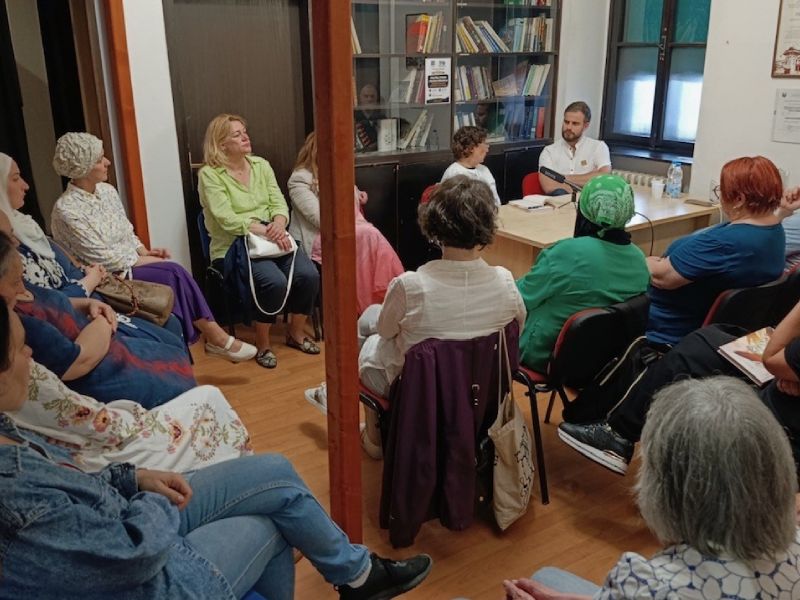 On June 15, 2026, TPO Foundation and IMIC Zajedno organized a roundtable titled “Politics of Fear and the Culture of the Enemy: The Return of Fascist Imagination in the 21st Century.” The guest speaker was Prof. Dr. Aida Hozić from the University of Florida, and the event was moderated by Nikola Vučić.
>> WATCH VIDEO
Jun 2026
Final Event of the FER School 2025/26 – Certificates Awarded to Participants
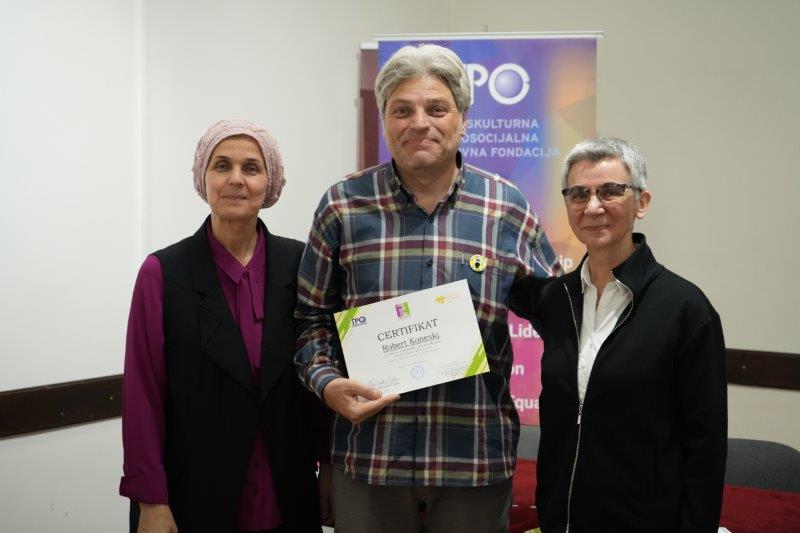 It is always better to offer an alternative than merely defend oneself against attacks, which is the principle promoted by the Feminism and Religion Online School, launched in 2021. The final event of the FER School for the academic year 2025/26 was held in Sarajevo on June 12, 2026, during which certificates were awarded to participants who successfully completed the program. The certificate ceremony took place after the two-day training “Introduction to Feminist Research Methodology,” and the directors of the FER School, Dr. Jadranka Rebeka Anić and Prof. Dr. Zilka Spahić Šiljak, presented the certificates to the participants in attendance.
Jun 2026
Introduction in Feminist Research Methods
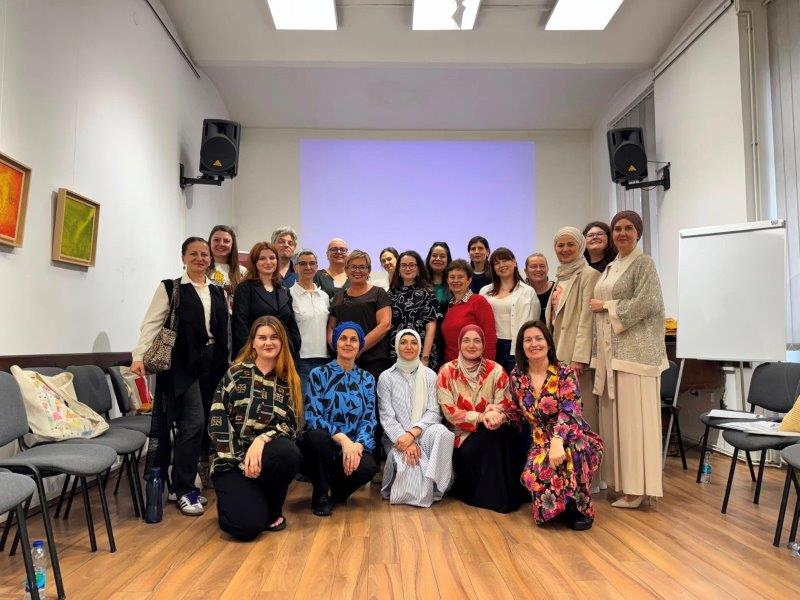 Feminist research methodology critically examines power relations in knowledge production, includes the experiences of women and marginalized groups, and aims for research to be ethical, responsible, and socially transformative. This was discussed by professors Maja Arslanagić-Kalajdžić, Jasna Kovačević, and Zilka Spahić Šiljak, along with master Ankica Dragin, during a two-day training held on June 11 and 12, 2026, at the premises of the Serbian Educational and Cultural Society Prosvjeta.
Jun 2026
Lecture on Islamic Ethics of Dialogue Held
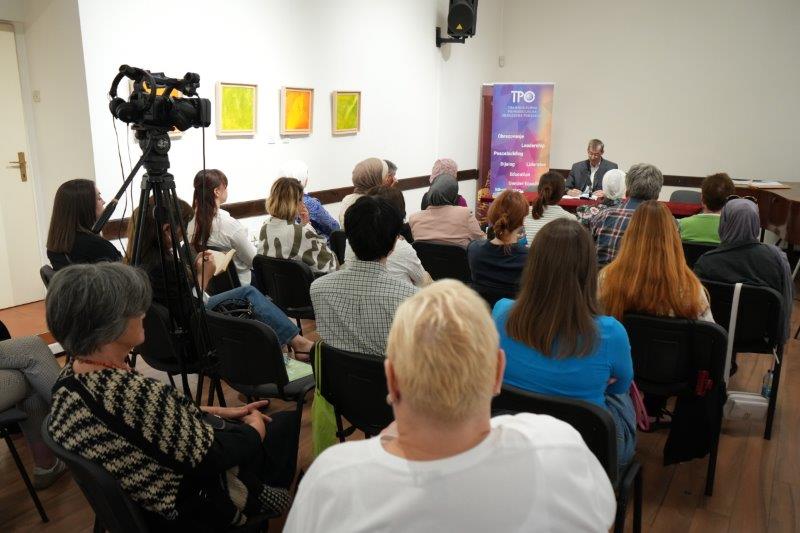 Feminist interreligious Islamic theology requires texts to be read contextually and resists reducing tradition to literal interpretations, Professor Adis Duderija emphasized in his lecture. The lecture was held on June 12, 2026, at the premises of SPKD Prosvjeta, organized by IMIC Zajedno, TPO Foundation, and the University Gender Resource Centre of the University of Sarajevo, and moderated by Nikola Vučić.
>> WATCH VIDEO
Jun 2026
Second ETOS Interreligious Dialogue in Sarajevo
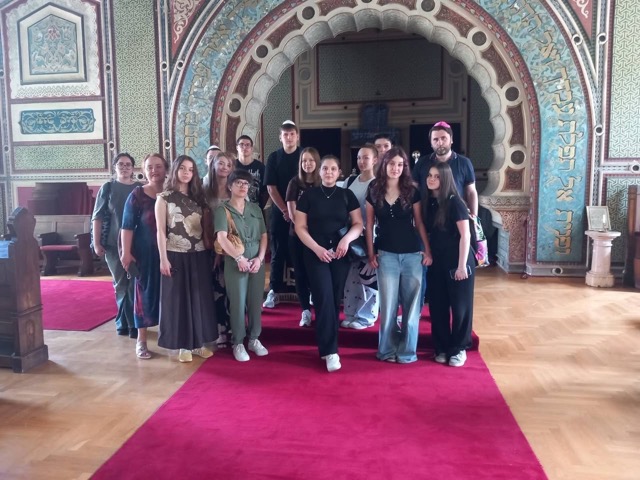 As part of the ETOS initiative, TPO Foundation and IMIC Zajedno organized the second interreligious dialogue for high school students on June 9, 2026. During this educational visit, the students visited a synagogue, an Orthodox church, a Catholic church, and a mosque, learning about the rich religious and cultural heritage of Bosnia and Herzegovina. The visit was led by Dr. Amra Pandžo.
Jun 2026
Socrates Café in Tuzla: Is It Possible to Live Ethically in a Consumer Society?
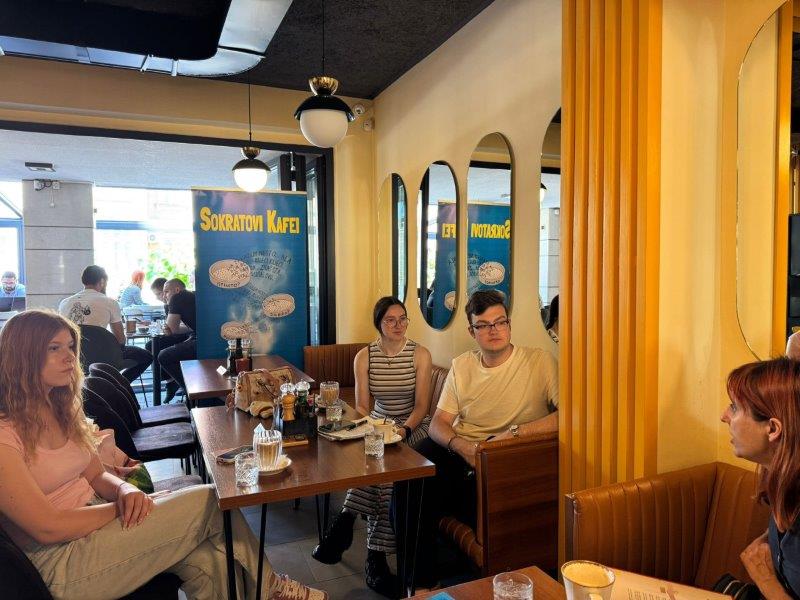 On June 8, 2026, a Socrates Café was held in Tuzla, dedicated to the question: “Is it possible to live ethically in a consumer society?” The conversation with Prof. Dr. Selma Veseljević Jerković was moderated by Ernada Avdibegović, opening a space for reflection on everyday choices, individual responsibility, the power of systems, and the challenges of living in a contemporary capitalist and consumerist society.
Jun 2026
Socrates Café in Zenica: Is Patriotism a Virtue or an Obstacle?
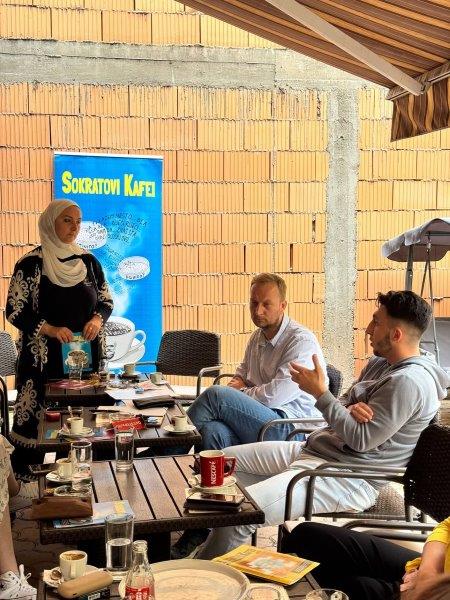 On June 6, 2026, a Socrates Café was held in Zenica on the topic: “Is Patriotism a Virtue or an Obstacle?” This timely topic brought together young participants who reflected on the meaning of patriotism in contemporary society, particularly in the context of Bosnia and Herzegovina, together with Professor Senad Arnaut and moderator Ernada Avdibegović.
Jun 2026
Socrates Café in Mostar: Is Culture Manipulative?
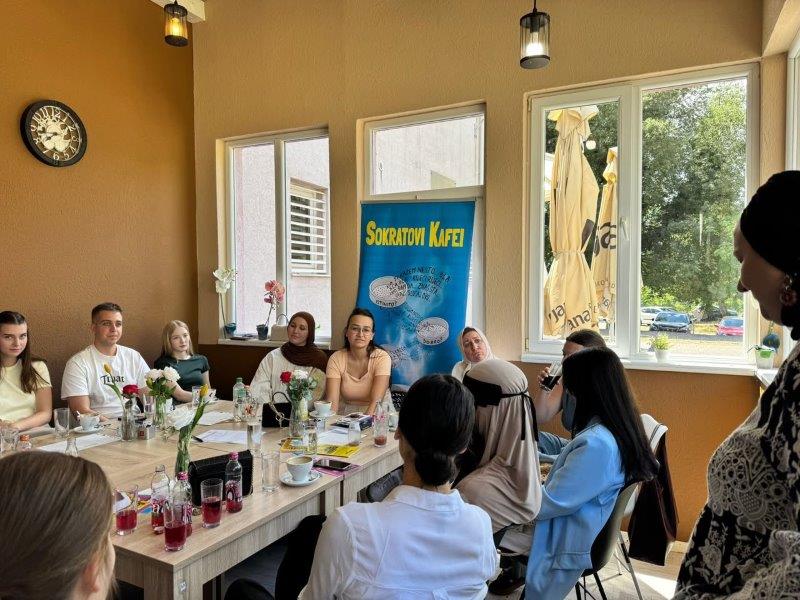 On June 4, 2026, a Socrates Café was held in Mostar, dedicated to the question: Is culture manipulative? The discussion was led by Prof. Dr. Sci. Merima Jašarević from the Faculty of Humanities of Džemal Bijedić University in Mostar, opening a space for reflection on how culture, social environment, family, education, and contemporary media shape our identities, values, behaviors, and the ways in which we understand the world around us.
Jun 2026
Socrates Café in Banja Luka: Does life have meaning in itself, or do we give meaning to it?
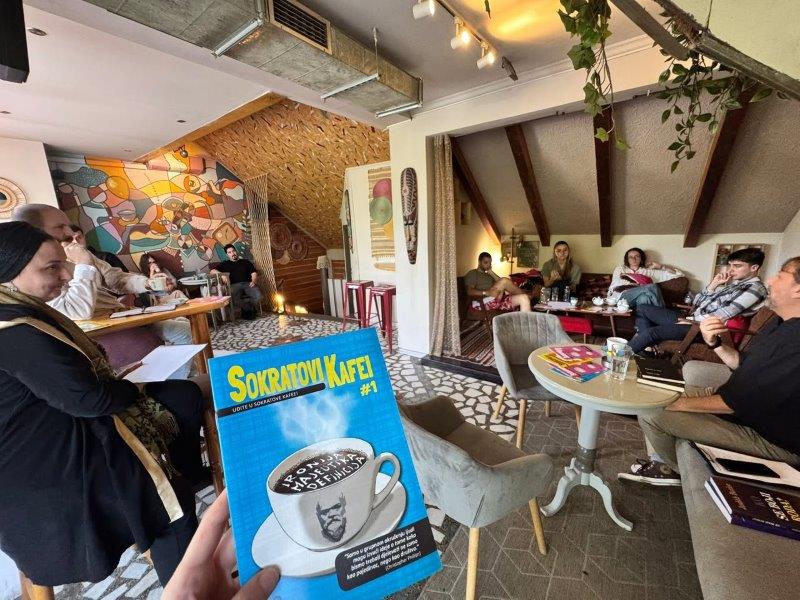 In the beautiful and inspiring atmosphere of Café Eklektika in Banja Luka, on June 3, 2026, a Socrates Café was held, dedicated to one of the oldest and deepest philosophical questions: Does life have meaning in itself, or do we give meaning to it? The conversation was led by Dr. Željko Šarić, while the meeting was moderated by Ernada Fatima Avdibegović.
May 2026
First ETOS Dialogue with High Schools
 TPO
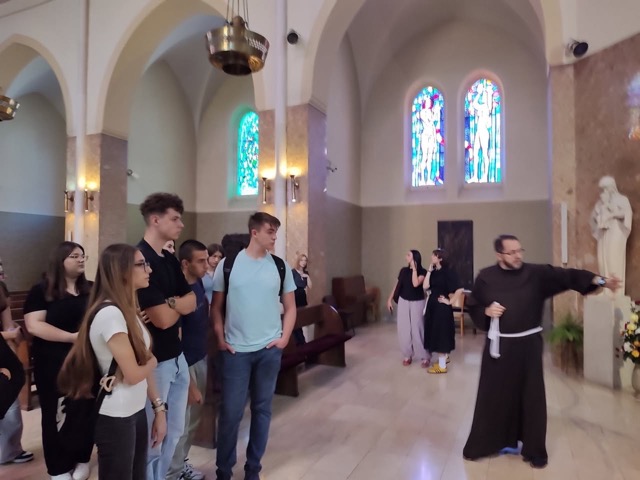
Dialogue has no alternative, and without dialogue, there is no peace in the world. TPO Foundation and IMIC Together started interfaith meetings for young people from high schools in the Sarajevo Canton on May 26, 2026, when the first ETOS (ethics, tolerance, openness, solidarity) dialogue was held. The facilitator of the dialogue was Dr. Amra Pandžo, and the students visited the Synagogue, St. Anthony's Monastery, and the Old Orthodox Church in Sarajevo.
TPO
Dialogue has no alternative, and without dialogue, there is no peace in the world. TPO Foundation and IMIC Together started interfaith meetings for young people from high schools in the Sarajevo Canton on May 26, 2026, when the first ETOS (ethics, tolerance, openness, solidarity) dialogue was held. The facilitator of the dialogue was Dr. Amra Pandžo, and the students visited the Synagogue, St. Anthony's Monastery, and the Old Orthodox Church in Sarajevo.
May 2026
Workshops Held: Women and Religion – Stories from the Shadows
 TPO
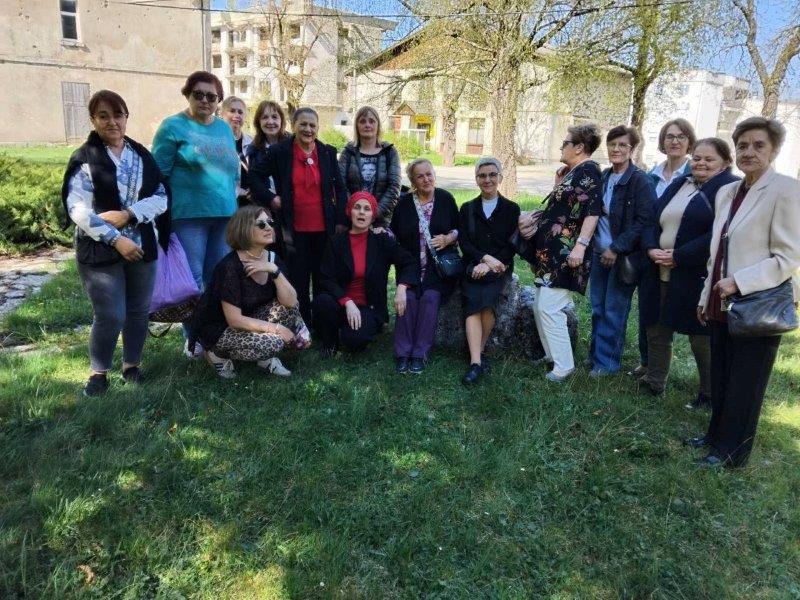
How to live with dignity after life-changing hardships and how to resist social pressure were among the
questions discussed at workshops held in Livno, Bratunac, Bosansko Grahovo, and Glamoč during April and June
2026. The theme of the workshops was “Women and Religion – Stories from the Shadows,” led by Prof. Dr. Zilka
Spahić Šiljak and Dr. Sc. Jadranka Rebeka Anić. The workshops were organized by the association Li-Woman
with the support of the Ecumenical Women’s Initiative.
TPO
How to live with dignity after life-changing hardships and how to resist social pressure were among the
questions discussed at workshops held in Livno, Bratunac, Bosansko Grahovo, and Glamoč during April and June
2026. The theme of the workshops was “Women and Religion – Stories from the Shadows,” led by Prof. Dr. Zilka
Spahić Šiljak and Dr. Sc. Jadranka Rebeka Anić. The workshops were organized by the association Li-Woman
with the support of the Ecumenical Women’s Initiative.
May 2026
Roundtable Discussion: New Fascisms Without Uniforms: Identity, Nation, and Sacredness
TPO
In the organization of IMIC Zajedno and TPO Foundation, on Monday, May 11, 2026, a new cycle of discussions
and lectures dedicated to key social issues of contemporary society began. The first guest of the cycle was
Nerzuk Ćurak, who gave a notable lecture titled "New Fascisms Without Uniforms: Identity, Nation, and
Sacredness."
May 2026
Recipient of the Sarajevo Canton Plaque, Hasija Borić-Stojić
 TPO
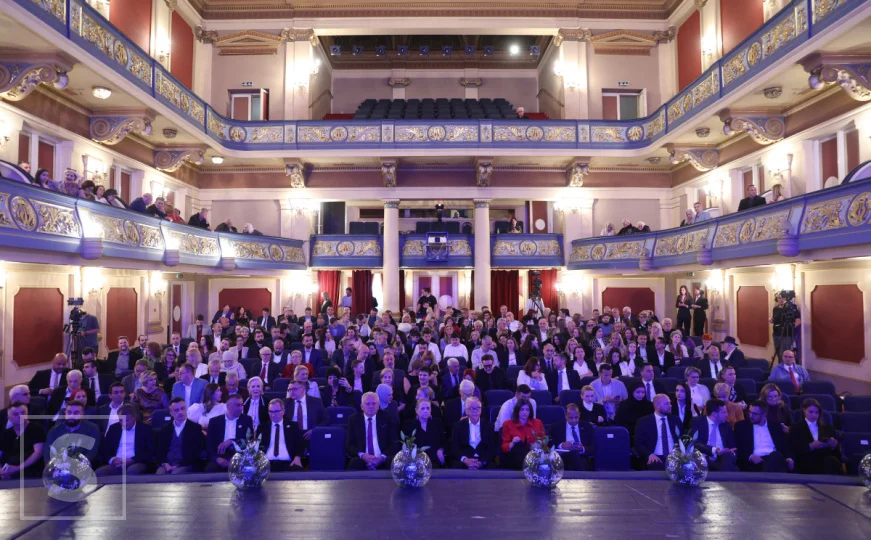
At the ceremonial session of the Sarajevo Canton Assembly, plaques were awarded to institutions and
individuals for their exceptional contribution to the development and promotion of Sarajevo Canton and
Bosnia and Herzegovina. Upon the nomination of the TPO Foundation, the individual recipient of the Plaque
was also the distinguished artist Hasija Borić – Stojić, in recognition of her long-standing and dedicated
contribution to the development of theatre and dramatic arts, as well as her strong social engagement
through art.
TPO
At the ceremonial session of the Sarajevo Canton Assembly, plaques were awarded to institutions and
individuals for their exceptional contribution to the development and promotion of Sarajevo Canton and
Bosnia and Herzegovina. Upon the nomination of the TPO Foundation, the individual recipient of the Plaque
was also the distinguished artist Hasija Borić – Stojić, in recognition of her long-standing and dedicated
contribution to the development of theatre and dramatic arts, as well as her strong social engagement
through art.
Apr 2026
ORBIT International Conference on Religious Identities and Violence in Schools.
 TPO
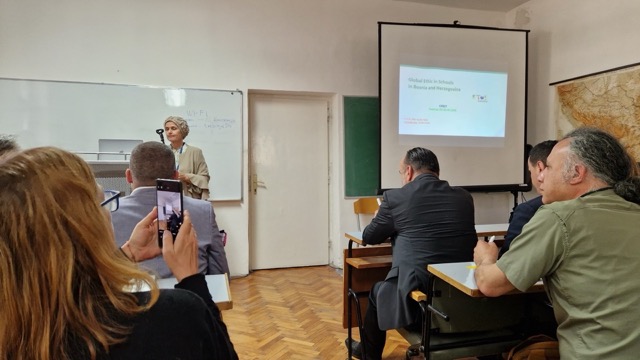
In Trebinje, from April 28-30, 2026, an international conference titled “Religious Identity, Peer Violence,
and Well-being in Schools: Transnational Cooperation” was held as part of the COST EU project led by the
University of Dublin. On behalf of the TPO Foundation, Prof. Dr. Zilka Spahić Šiljak delivered a lecture on
the topic of Global Ethics in Schools in Bosnia and Herzegovina.
TPO
In Trebinje, from April 28-30, 2026, an international conference titled “Religious Identity, Peer Violence,
and Well-being in Schools: Transnational Cooperation” was held as part of the COST EU project led by the
University of Dublin. On behalf of the TPO Foundation, Prof. Dr. Zilka Spahić Šiljak delivered a lecture on
the topic of Global Ethics in Schools in Bosnia and Herzegovina.
Apr 2026
Supporting Human Rights Through Dialogue of Political and Moral Traditions
 TPO
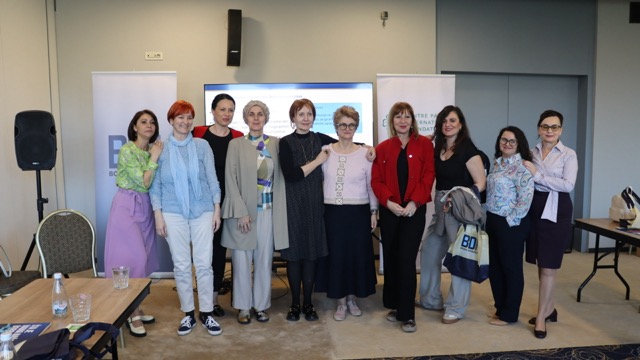
Supporting human rights does not have to mean the “secularization” of believers, but rather the political
translation of diverse moral traditions into a shared constitutional and legal language—this was one of the
key messages of a lecture on the relationship between liberal policies and religious contexts.
TPO
Supporting human rights does not have to mean the “secularization” of believers, but rather the political
translation of diverse moral traditions into a shared constitutional and legal language—this was one of the
key messages of a lecture on the relationship between liberal policies and religious contexts.
Apr 2026
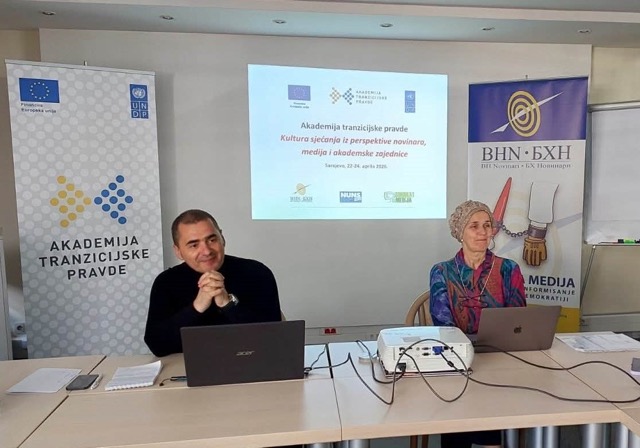
Academic Community and the Construction of a Culture of Remembrance – A Gender Perspective
 TPO
The way we remember determines whom we see, whom we trust, whom we recognize as subjects of history, and
whom we leave at the margins.
On April 23, 2026, Prof. Dr. Zilka Spahić Šiljak delivered a lecture at a seminar on transitional justice,
organized by BH Journalists, which brought together journalists from across the Balkan region.
TPO
The way we remember determines whom we see, whom we trust, whom we recognize as subjects of history, and
whom we leave at the margins.
On April 23, 2026, Prof. Dr. Zilka Spahić Šiljak delivered a lecture at a seminar on transitional justice,
organized by BH Journalists, which brought together journalists from across the Balkan region.
Apr 2026
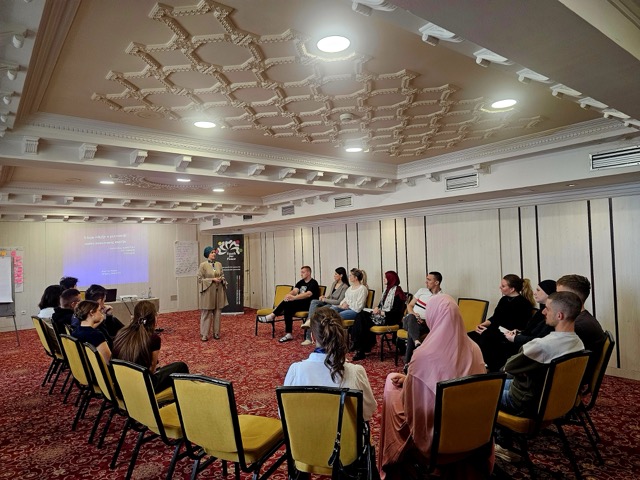
How can religion help in preventing gender-based violence?
 TPO
When patriarchy is institutionalized and sacralized, gender-based violence is often justified or tacitly
approved. On April 18, 2026, the director of the TPO Foundation, Prof. Dr. Zilka Spahić Šiljak, gave a
lecture on the topic "The Role of Religion in Preventing Gender-Based Violence," organized by the Youth for
Peace and Ecumenical Women's Initiative organizations.
TPO
When patriarchy is institutionalized and sacralized, gender-based violence is often justified or tacitly
approved. On April 18, 2026, the director of the TPO Foundation, Prof. Dr. Zilka Spahić Šiljak, gave a
lecture on the topic "The Role of Religion in Preventing Gender-Based Violence," organized by the Youth for
Peace and Ecumenical Women's Initiative organizations.
Mar 2026
TPO Foundation Contributes to Critical Dialogue on Memory Policies and Social Justice
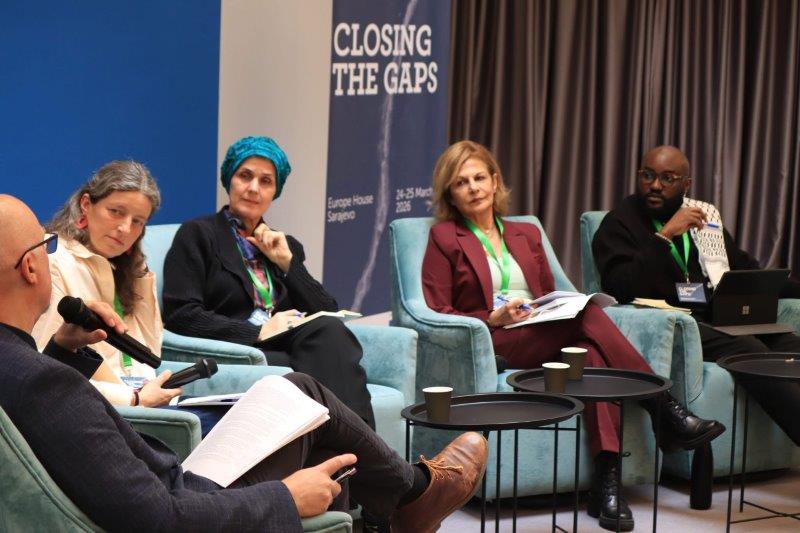 TPO Foundation took part in an important international session dedicated to examining the shortcomings of
contemporary memory policies and practices, contributing to a broader dialogue on social justice, inclusion,
and peacebuilding. The Workshop “Critical Dialogue on Memory Policies and Social Justice” was organized by
War Childhood Museum from Sarajevo and International Coalition of Sites of Conscience.
TPO Foundation took part in an important international session dedicated to examining the shortcomings of
contemporary memory policies and practices, contributing to a broader dialogue on social justice, inclusion,
and peacebuilding. The Workshop “Critical Dialogue on Memory Policies and Social Justice” was organized by
War Childhood Museum from Sarajevo and International Coalition of Sites of Conscience.
Mar 2026
Proceedings Gender and Peace in the Balkans: Sites of Challenges and Hopes
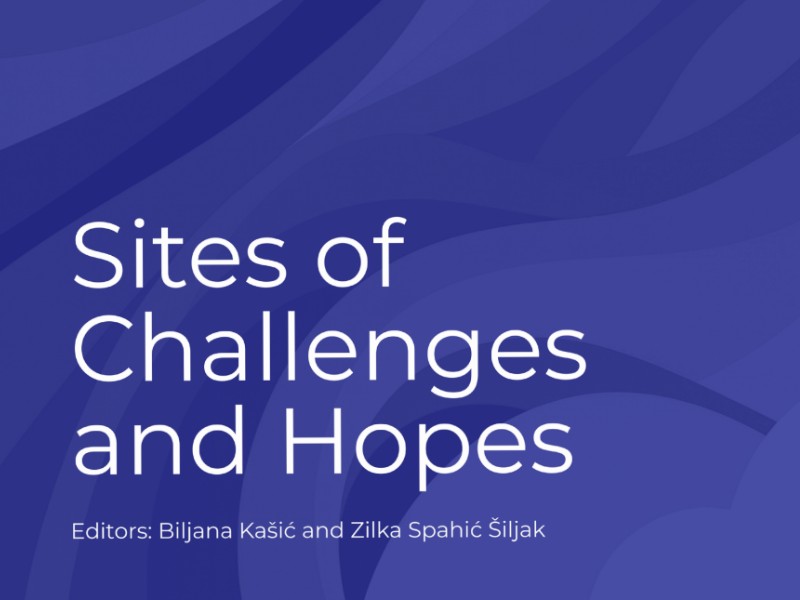 Proceedings Gender and Peace in the Balkans: Sites of Challenges and Hopes is a collection of papers, peace
testimonies and conversations that took place at the international conference on gender and peace held in
Sarajevo in 2025.
The Conference was part of the UNIGEM (Universities and Gender Mainstreaming) project implemented with 19
universities in the Balkans region. By exploring these feminist efforts for peace, the book raises important
questions about feminist history, mem-ory, peacebuilding, and how these movements have dealt with
nationalism, new state policies, and the rise of populism.
Proceedings Gender and Peace in the Balkans: Sites of Challenges and Hopes is a collection of papers, peace
testimonies and conversations that took place at the international conference on gender and peace held in
Sarajevo in 2025.
The Conference was part of the UNIGEM (Universities and Gender Mainstreaming) project implemented with 19
universities in the Balkans region. By exploring these feminist efforts for peace, the book raises important
questions about feminist history, mem-ory, peacebuilding, and how these movements have dealt with
nationalism, new state policies, and the rise of populism.
Mar 2026
Scientific conference: Violence Against Women: Between Law and Social Responsibility
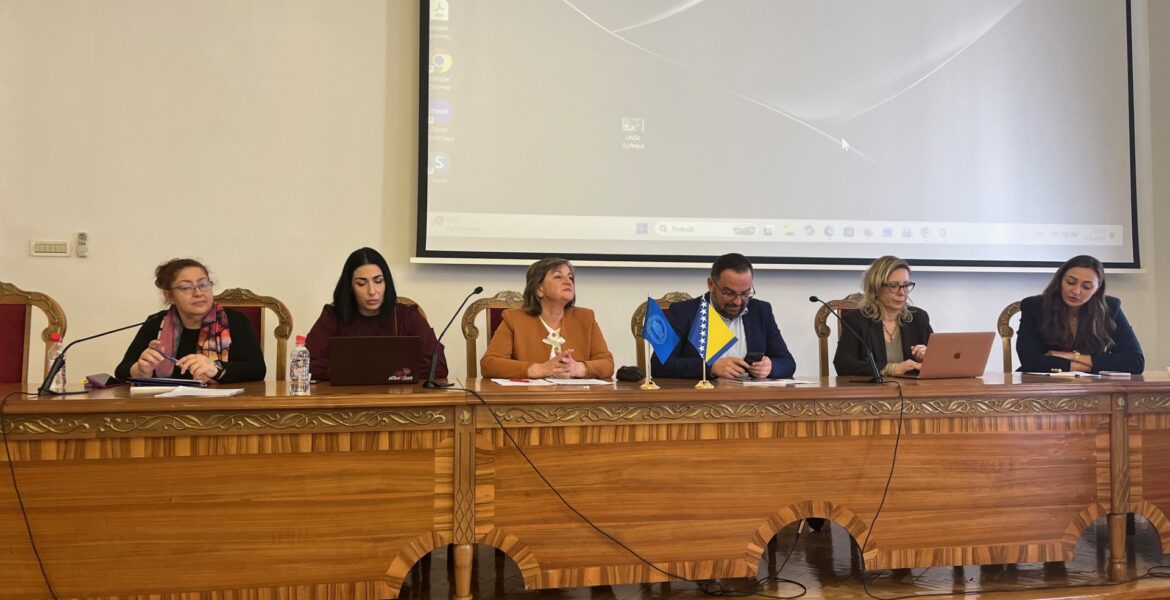 At the University of Sarajevo, a conference was held on March 9, 2026, marking International Women’s Day.
Representatives of the academic community, judicial institutions, international organizations, and civil
society warned that Bosnia and Herzegovina has a developed legal framework for the protection of women, but
that the key problem remains its consistent implementation and the social tolerance toward various forms of
violence.
At the University of Sarajevo, a conference was held on March 9, 2026, marking International Women’s Day.
Representatives of the academic community, judicial institutions, international organizations, and civil
society warned that Bosnia and Herzegovina has a developed legal framework for the protection of women, but
that the key problem remains its consistent implementation and the social tolerance toward various forms of
violence.
Mar 2026
On the occasion of March 8, International Women’s Day, an online panel titled ‘Women’s Economic (In)Dependence: Knowledge, Rights, and Preparation for Life’s Turning Points’ was held on Friday, March 6, 2026
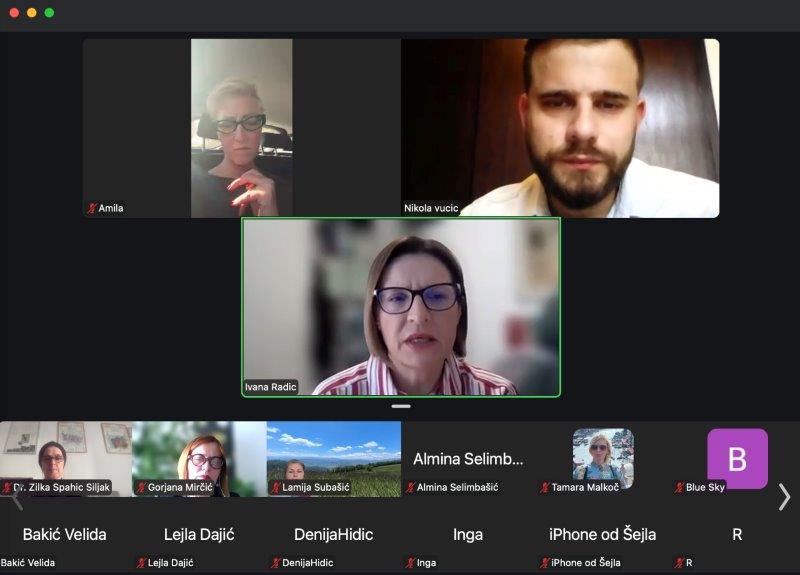 On the occasion of March 8, International Women’s Day, an online panel was held on Friday, March 6, 2026,
presenting key misconceptions about the legal and economic aspects of marriage. The panelists Ivana Radić,
Amila Mujčinović, and Gorjana Mirčić Čaluković identified the problems but also offered recommendations for
improving legal and economic literacy. The panel was moderated by Nikola Vučić.
On the occasion of March 8, International Women’s Day, an online panel was held on Friday, March 6, 2026,
presenting key misconceptions about the legal and economic aspects of marriage. The panelists Ivana Radić,
Amila Mujčinović, and Gorjana Mirčić Čaluković identified the problems but also offered recommendations for
improving legal and economic literacy. The panel was moderated by Nikola Vučić.
Feb 2026
United in Diversity: Interreligious and Artistic Program
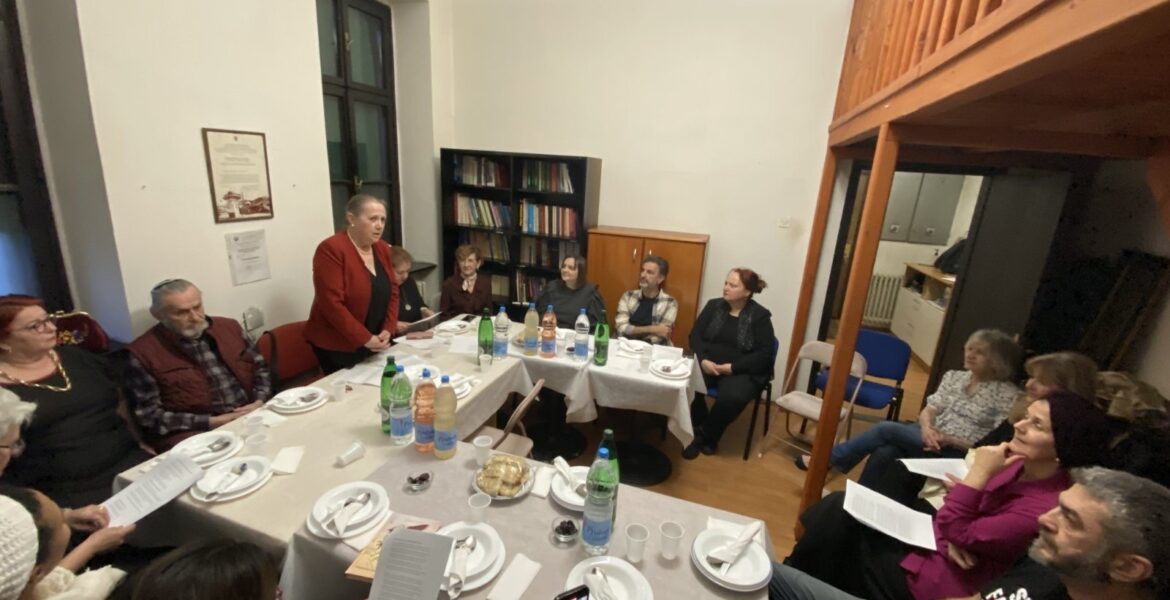 Every human being is worthy of respect, violence against the innocent is a sin, and peace is a shared
responsibility, these are the words with which the Interreligious Program held at IMIC Zajedno on February
27, 2026, began. The program and iftar were jointly organized by IMIC and the TPO Foundation, bringing
together representatives of various religious and non-religious worldviews with the aim of promoting
goodness, togetherness, love, solidarity, and justice.
Every human being is worthy of respect, violence against the innocent is a sin, and peace is a shared
responsibility, these are the words with which the Interreligious Program held at IMIC Zajedno on February
27, 2026, began. The program and iftar were jointly organized by IMIC and the TPO Foundation, bringing
together representatives of various religious and non-religious worldviews with the aim of promoting
goodness, togetherness, love, solidarity, and justice.
Feb 2026
Knowledge that builds self-confidence and inspires engagement: The ninth semester of the FER School completed in 2025
 Another semester of the School of Feminism and Religion (FER School) has been successfully completed in
December 2025. Since 2024, the FER School’s academic program has been implemented within the University of
Sarajevo. During this semester, three courses were delivered in English (Gender, Religion and Peacebuilding;
Feminist Theology; Gender, Religion and GBV) and two courses in BHS languages (History of Feminism in the
East and the West; Gender, Religion and Media). With lecturers from the United States, the United Kingdom,
South Africa, Australia, and the Balkan region, the program brought together over 50 participants from four
continents.
Another semester of the School of Feminism and Religion (FER School) has been successfully completed in
December 2025. Since 2024, the FER School’s academic program has been implemented within the University of
Sarajevo. During this semester, three courses were delivered in English (Gender, Religion and Peacebuilding;
Feminist Theology; Gender, Religion and GBV) and two courses in BHS languages (History of Feminism in the
East and the West; Gender, Religion and Media). With lecturers from the United States, the United Kingdom,
South Africa, Australia, and the Balkan region, the program brought together over 50 participants from four
continents.
Feb 2026
Held: Fifthteenth Promotion of the Book Who’s Afraid of Gender? – in Novi Sad
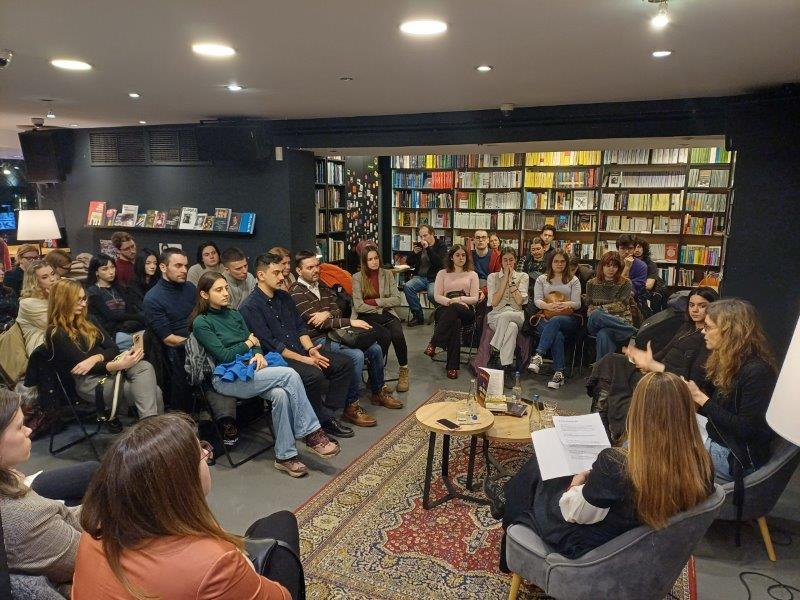 With the support of the TPO Foundation, on February 11, 2026, a book promotion for Who’s Afraid of Gender?
by Judith Butler was held in Novi Sad at Bulevar Books bookstore, located at Bulevar Mihajla Pupina 6. The
speakers at the event were Dr Adriana Zaharijević and Katarina Grković, MA, and the discussion was moderated
by Assistant Professor Dr Tanja Todorović.
With the support of the TPO Foundation, on February 11, 2026, a book promotion for Who’s Afraid of Gender?
by Judith Butler was held in Novi Sad at Bulevar Books bookstore, located at Bulevar Mihajla Pupina 6. The
speakers at the event were Dr Adriana Zaharijević and Katarina Grković, MA, and the discussion was moderated
by Assistant Professor Dr Tanja Todorović.
Jan 2026
WOMEN WHO WANDER: FLÂNEUSE IN ANGLOPHONE LITERATURE
 With the support of the TPO Foundation and UNIGEM, on December 3, 2025, Dr Slađana Stamenković delivered a
lecture titled Women Who Wander: Flâneuse in Anglophone Literature at the Faculty of Philosophy of the
University of Novi Sad.
The concept of the urban walker, stroller, or wanderer – known as the flâneur – became established in
literary history as early as the nineteenth century (when it was first popularized in France and
subsequently across Europe and Western civilization).
With the support of the TPO Foundation and UNIGEM, on December 3, 2025, Dr Slađana Stamenković delivered a
lecture titled Women Who Wander: Flâneuse in Anglophone Literature at the Faculty of Philosophy of the
University of Novi Sad.
The concept of the urban walker, stroller, or wanderer – known as the flâneur – became established in
literary history as early as the nineteenth century (when it was first popularized in France and
subsequently across Europe and Western civilization).


TPO Foundation - Porodice Ribar 53, 71000 Sarajevo, Bosna and Hercegovina Tel: +387 33 663-350 email:tpo@tpofond.org

